
Study abroad destinations
Compare 14 countries side by side: intakes, course length, work rights while studying and options after graduation. Then open each country's guide for the details.
Which country should I choose?
Choose by fit, not by popularity. Match the country to your academic profile, total budget, preferred course, language and long-term plan. For example, the UK and Ireland suit students who want a one-year master's; Germany suits engineering students looking for low tuition; Canada and Australia suit students who want strong work options during and after study.
Compare destinations at a glance
| Country | Main intakes | Course length | Work while studying | After graduation |
|---|---|---|---|---|
| United Kingdom | September (main) and January; some universities also offer May | Bachelor's: 3 years (4 in Scotland). Master's: usually 1 year | Up to 20 hours a week in term time for degree-level students | Graduate Route visa for eligible graduates. Its length has been under review, so check gov.uk for the current rule |
| Canada | September (main), January, and a smaller May intake | Bachelor's: 3 to 4 years. College diplomas: 1 to 3 years. Master's: 1 to 2 years | Off-campus work up to 24 hours a week during academic sessions for eligible students | Post-Graduation Work Permit (PGWP). Eligibility depends on your program and, for many college programs, your field of study |
| United States | Fall (August/September, main) and Spring (January) | Bachelor's: 4 years. Master's: 1 to 2 years | On-campus work up to 20 hours a week during term | Optional Practical Training (OPT), with an extension for eligible STEM degrees. Check current rules before you apply |
| Australia | February and July; some institutions also offer November | Bachelor's: 3 years (4 with honours or some professional degrees). Master's: 1.5 to 2 years | Up to 48 hours per fortnight during study periods | Temporary Graduate visa (subclass 485) for eligible graduates |
| Ireland | September (main); some programs start in January | Bachelor's: 3 to 4 years. Master's: usually 1 year | Up to 20 hours a week in term and 40 hours a week during set holiday periods | Third Level Graduate Programme (Stamp 1G) for eligible graduates; the stay length depends on your qualification level |
| New Zealand | February and July | Bachelor's: 3 years. Master's: 1 to 2 years | Limited weekly hours in term for eligible students, with full-time work in scheduled holidays | Post Study Work Visa for eligible qualifications; the length depends on the qualification |
| Germany | Winter semester (October, main) and Summer semester (April) | Bachelor's: 3 to 3.5 years. Master's: 2 years | 140 full days or 280 half days a year | A residence permit of up to 18 months to look for work |
| France | September (main); some programs start in January or February | Licence (bachelor's): 3 years. Master's: 2 years. Business school programs vary | Up to 964 hours a year | A residence permit to look for work or start a business for eligible graduates |
| Sweden | Autumn (August/September, main) and Spring (January) | Bachelor's: 3 years. Master's: 1 to 2 years | No fixed limit on hours, but your studies must remain your main activity | A residence permit to look for work or start a business for eligible graduates |
| Finland | Autumn (August/September, main); some programs start in January | Bachelor's: 3 to 4 years. Master's: 2 years | Part-time work allowed within set limits during term | A residence permit to look for work or start a business for eligible graduates |
| Slovakia | September | Bachelor's: 3 years. Master's: 2 years. Medicine: 6 years | Varies by program | Varies by program |
| Malaysia | Several a year, usually January/February, May/June and September/October | Foundation: about 1 year. Bachelor's: 3 to 4 years. Master's: 1 to 2 years | Part-time work is limited, generally to semester breaks and set conditions | Varies by program |
| Singapore | August for public universities; private institutions offer several intakes | Bachelor's: 3 to 4 years. Master's: 1 to 2 years | Varies by program | No automatic post-study work visa; graduates usually need an employer-sponsored work pass |
| Mauritius | Usually September/October, with some programs starting in January/February | Bachelor's: 3 to 4 years. Master's: 1 to 2 years | Varies by program | Varies by program |
Visa, work and post-study rules change often. Each country guide links to the official government source so you can confirm the current rule.
Country guides
Each guide covers why students choose the country, key facts, popular courses, common questions and official sources.
Major global destinations

United Kingdom
Home to world-renowned universities with flexible programs and strong global career opportunities.
Study in UK guide
United States
Offers a wide range of universities, cutting-edge research facilities, and diverse academic programs.
Study in USA guide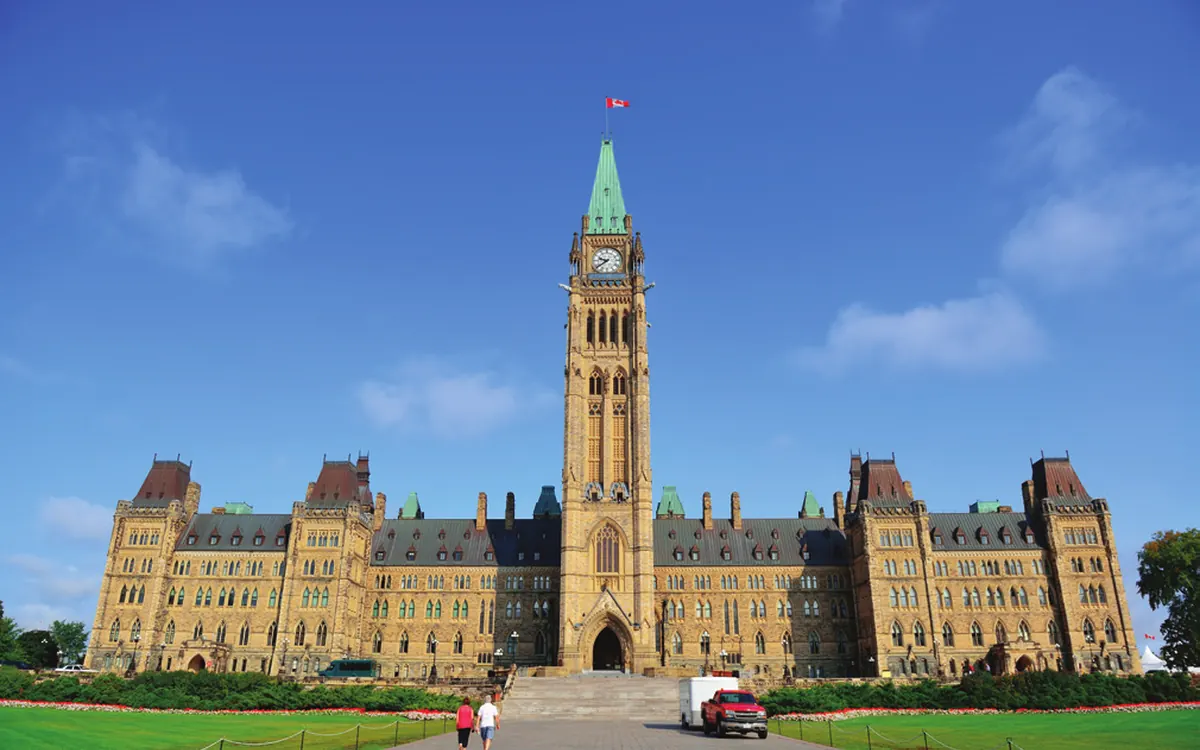
Canada
Known for high-quality education, welcoming immigration policies, and excellent post-study work opportunities.
Study in Canada guide
Australia
Globally recognized universities with strong industry connections and great lifestyle for international students.
Study in Australia guide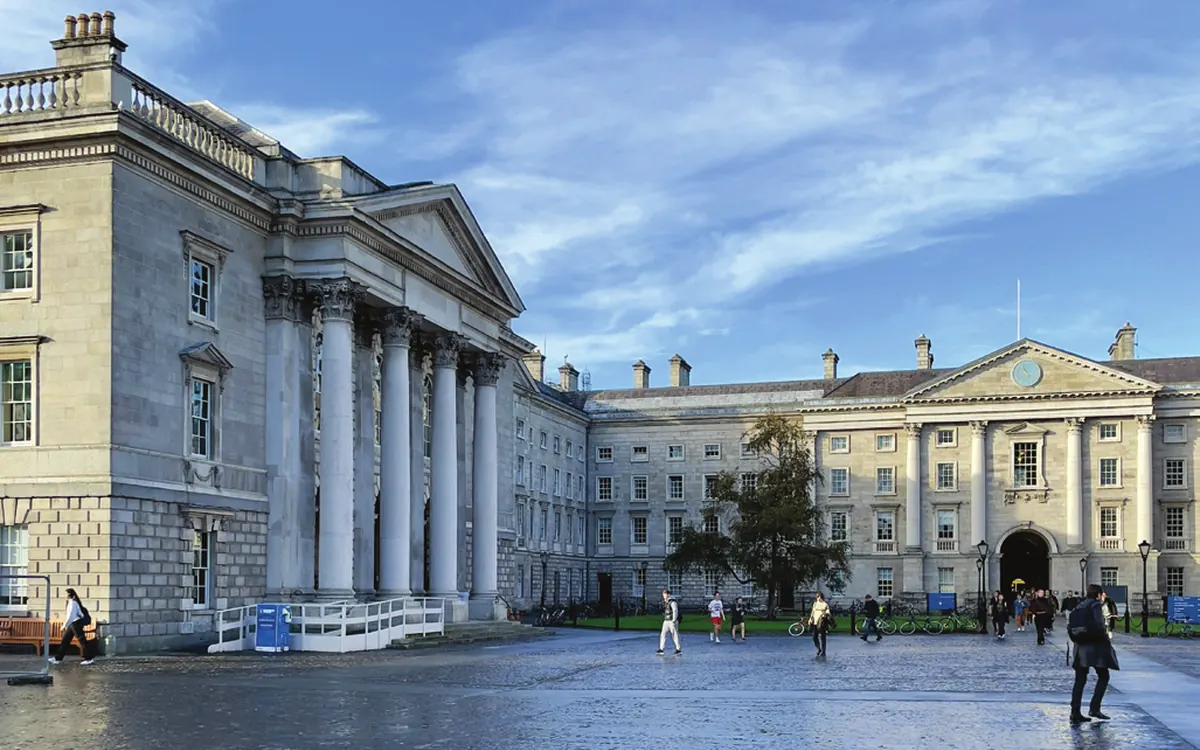
Ireland
A leading European education destination with strong technology and business career pathways.
Study in Ireland guide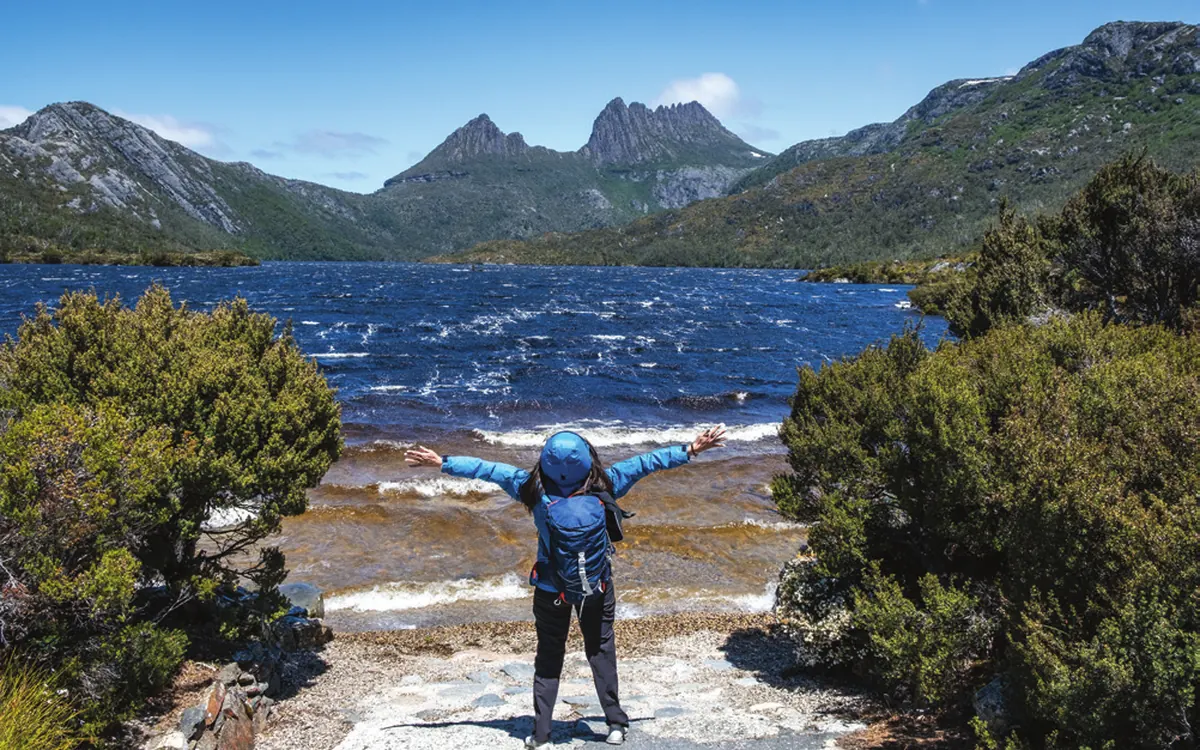
New Zealand
A safe and student-friendly country offering quality education and excellent post-study work options.
Study in New Zealand guideEuropean destinations
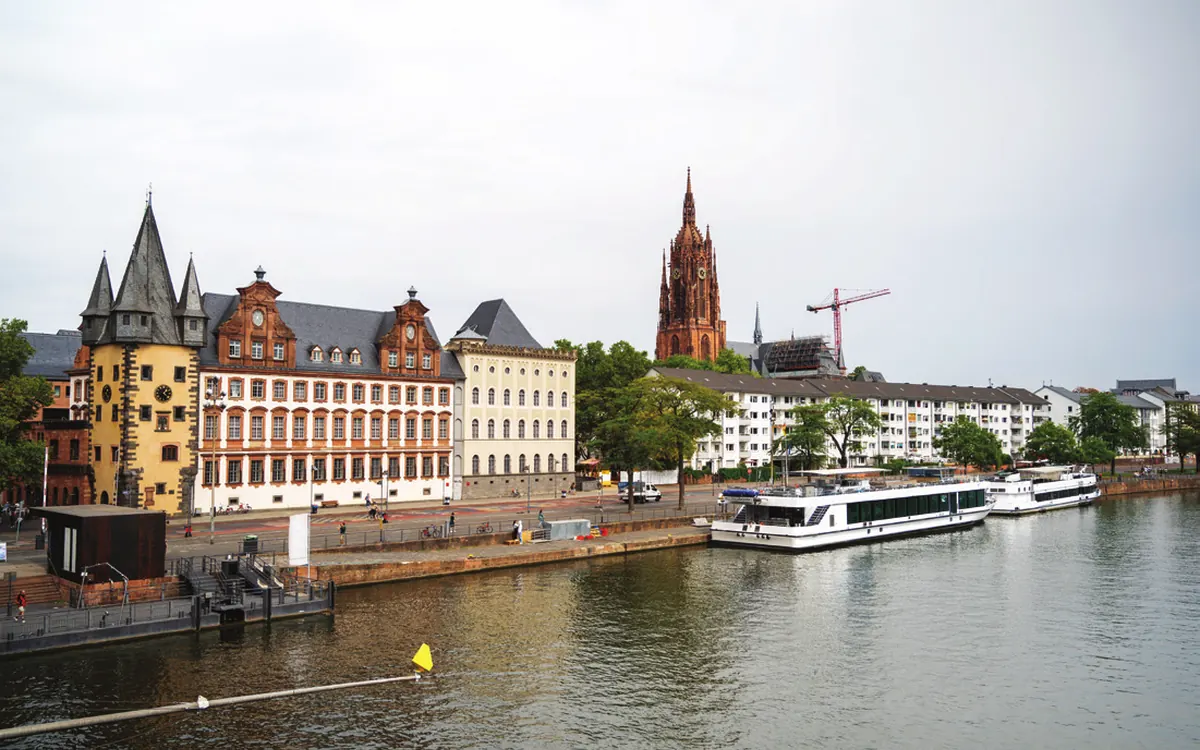
Germany
Popular for its high-quality education system, strong engineering programs, and affordable tuition.
Study in Germany guide
France
A hub for business, fashion, hospitality, and arts education with globally respected universities.
Study in France guide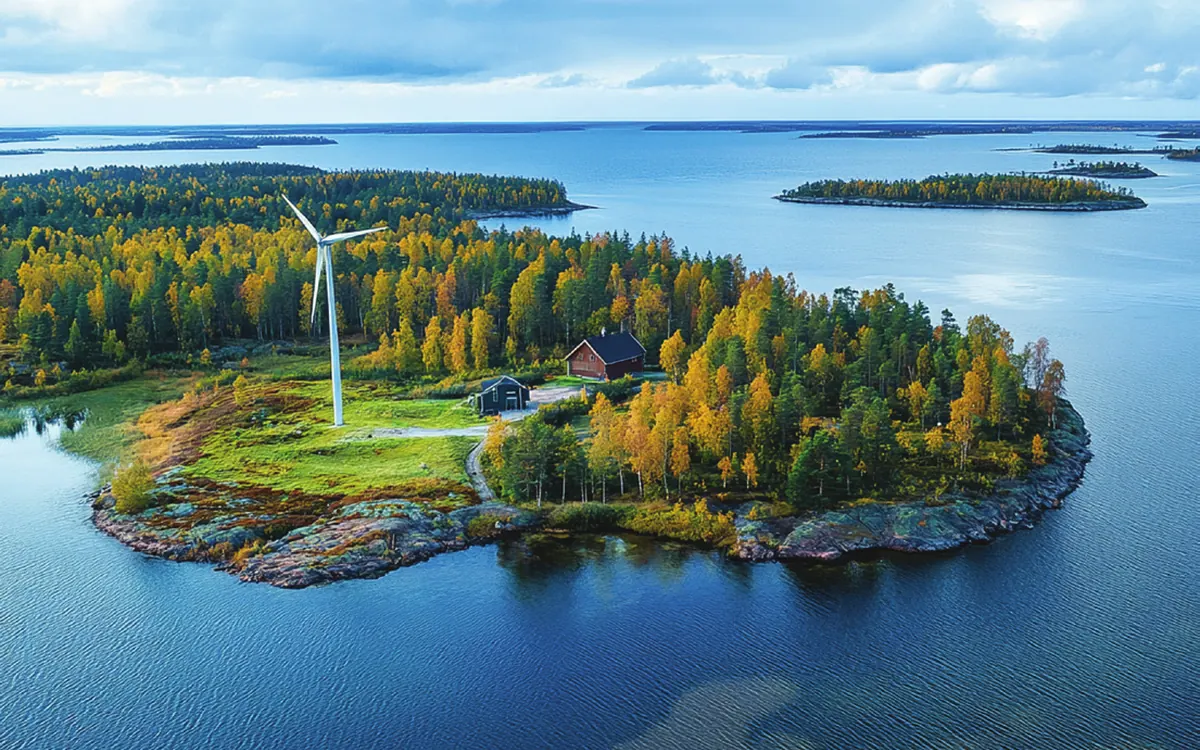
Sweden
Known for innovation, research-driven education, and strong sustainability programs.
Study in Sweden guide
Finland
Offers high-quality education with a strong focus on innovation, research, and student well-being.
Study in Finland guide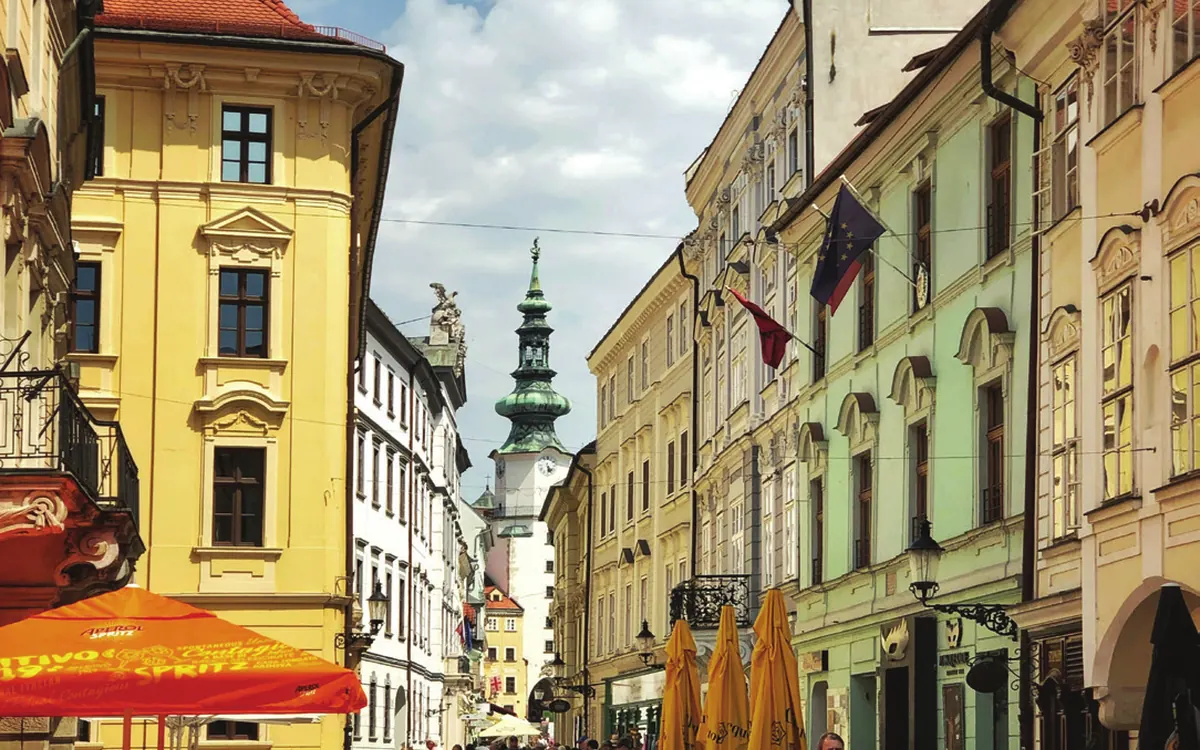
Slovakia
An emerging European destination offering affordable education and growing international programs.
Study in Slovakia guideAsia and the Indian Ocean

Malaysia
Affordable education with internationally recognized universities and a multicultural student environment.
Study in Malaysia guide
Singapore
A global education hub known for top-ranked universities, innovation, and excellent career prospects.
Study in Singapore guide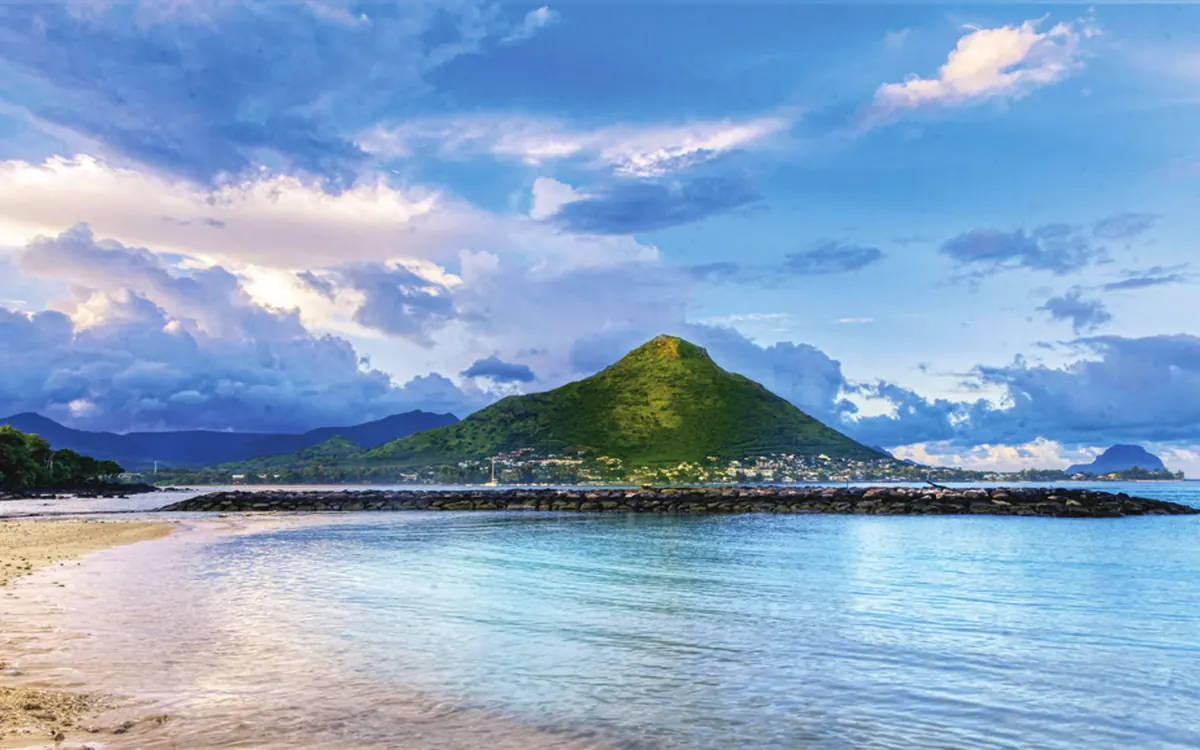
Mauritius
A fast-growing education destination offering quality international programs in a safe and vibrant island environment.
Study in Mauritius guideStill comparing countries?
We'll lay out two or three realistic options for your profile and budget, and explain the trade-offs honestly.